What Is Self-Enumeration in Census 2027?
Introduction to Self-Enumeration
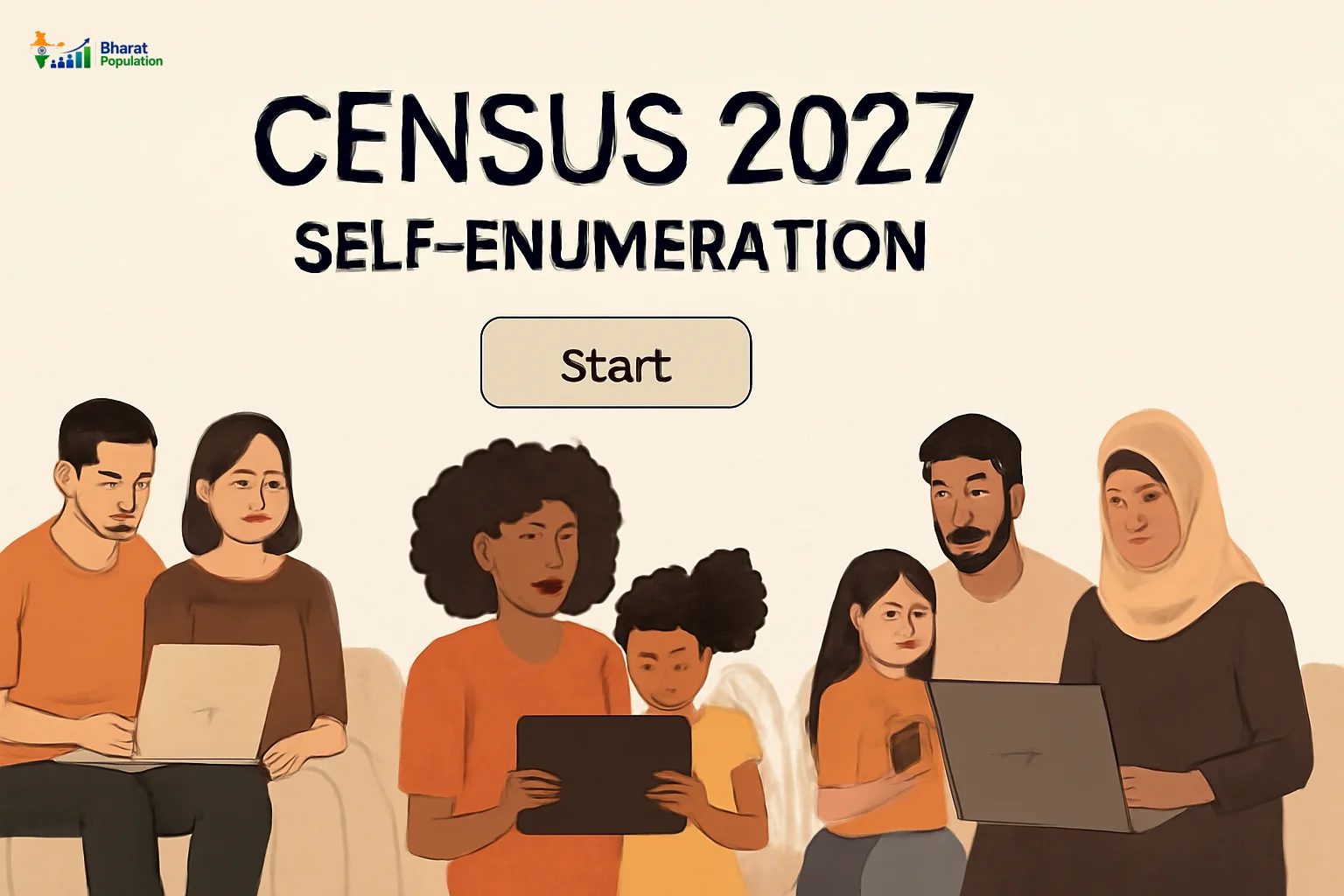
Census 2027 marks a significant shift in India’s approach to population counting. For the first time, the Census will include a feature known as Self-Enumeration, allowing households to report their details digitally. This initiative aims to enhance participation and improve the accuracy of the data collected.
What is Self-Enumeration?
Self-Enumeration is an optional digital facility provided during the Census process. It allows any member of a household to complete and submit information regarding their household via a secure web portal. This process does not replace the traditional enumerator visits that will still take place. Instead, it serves as an additional method to gather data efficiently.
How Does Self-Enumeration Work?
- Timing: A 15-day Self-Enumeration period is allocated before the main house-to-house Houselisting and Housing Census phase, which is scheduled for February 2027.
- Access: Individuals can access the Self-Enumeration portal at se.census.gov.in. The portal is available in 16 languages, including Hindi and English.
- Unique ID: Upon successful submission, users receive a unique Self-Enumeration ID (SE ID) that should be shared with the enumerator during their visit for verification.
Benefits of Self-Enumeration
Self-Enumeration is designed to streamline the data collection process. Here are some key benefits:
- Increased Participation: By allowing individuals to fill out their information at their convenience, the Census expects higher participation rates across various demographics.
- Time-Saving: Households can complete their forms quickly without waiting for enumerators’ visits.
- Data Accuracy: Empowering individuals to report their information may reduce errors and misreporting that sometimes occur during face-to-face interviews.
Security and Confidentiality
Ensuring the security of the submitted information is paramount. According to government sources, data submitted through the Self-Enumeration portal is encrypted and stored securely on government servers. No identity proof or supporting documents are required during the self-reporting process, adding an extra layer of ease and privacy for participants.
Conclusion
Self-Enumeration represents a progressive step in the Census process, blending traditional practices with modern technology. Its implementation in Census 2027 may set a precedent for future censuses in India, enhancing data collection and providing a more inclusive framework for participation.
Frequently Asked Questions (FAQs)
1. Is Self-Enumeration mandatory?
No, Self-Enumeration is an optional facility. Households that choose not to use it will still receive visits from enumerators.
2. What happens if I encounter issues while using the Self-Enumeration portal?
Support will be available through the official Census helpline to assist users with any difficulties encountered during the process.
3. How will my information be verified post-submission?
Enumerators will verify the information collected through Self-Enumeration during their house visits, using the SE ID provided to the household.
4. Can anyone in the household complete the Self-Enumeration?
Yes, any member of the household can fill out and submit the self-enumeration details through the portal.
5. What measures are in place to protect my data?
Data encryption and multi-factor authentication will ensure that your information is kept secure and confidential throughout the collection process.