Why the 1881 Census Was a Turning Point
The Significance of the 1881 Census
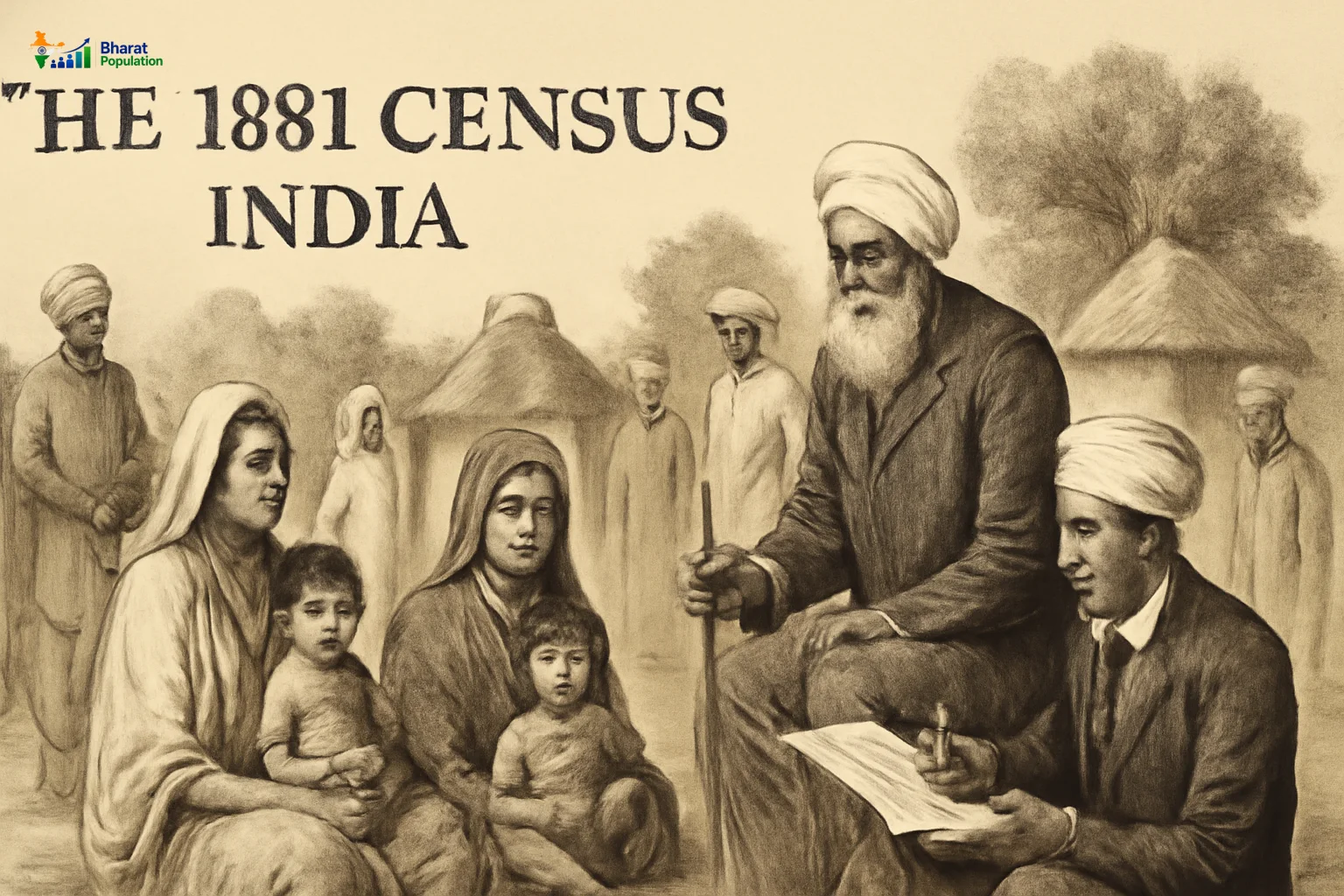
The 1881 Census marked a watershed moment in India’s demographic history, transitioning from disparate population data collection to a coordinated national effort. Prior to this census, India’s first modern census was conducted between 1865 and 1872, but it was largely fragmented, with enumeration occurring at different times across various regions. This lack of synchronization led to inconsistencies and inefficiencies in gathering population data.
Establishment of a Nationwide System
In 1881, the Indian census adopted a synchronized approach, implementing a common date for enumeration across the entire country. This systematic method was critical in standardizing how population data was collected, ensuring uniformity in the approach used by enumerators regardless of location. As a result, the 1881 Census laid the foundation for future decennial censuses, establishing a reliable model for demographic data collection.
Changes in Methodology
The 1881 Census introduced innovative methodologies to improve accuracy and coverage. With its implementation, officials refined enumeration techniques, enhanced the scope of data collection, and made alterations to the questions posed to better reflect and describe the diverse social conditions of India’s population. This evolution was essential in shaping the nature of future censuses, highlighting shifting demographics over the decades.
Impact on National Policy
The data collected from the 1881 Census not only improved understanding of India’s population but also had lasting implications for national policy-making. Accurate census data provided the government with crucial insights into population dynamics, enabling better allocation of resources and focused attention on demographic issues such as health, education, and infrastructure. As a result, census data became an indispensable tool for governance and planning.
The Legacy of the 1881 Census
Following the 1881 Census, regular decennial counts became the norm in India. Each subsequent census aimed to not only continue the foundational work started by the 1881 Census but also to address changing societal needs, cultural shifts, and technological advancements in data collection. The commitment to systematic population enumeration evolved significantly since 1881, reinforcing the importance of accurate demographics as a bedrock of national identity and governance.
FAQs
What was the first census in India?
The first modern population census in India was conducted between 1865 and 1872, but it was not conducted simultaneously.
Why was the 1881 Census significant?
The 1881 Census was significant because it was the first synchronized national census, establishing a common framework for all future censuses.
How did the 1881 Census improve methodology?
The 1881 Census refined enumeration techniques and enhanced the questions to better capture the social dynamics of the population.
What were the implications of the data collected?
The data collected provided vital information for policy-making, resource allocation, and understanding the demographic landscape of India.
What is the census frequency established after 1881?
After the 1881 Census, India adopted a decennial census tradition, conducting them every ten years consistently.
How did the 1881 Census influence future censuses?
It set a standard for data collection methods and the frequency of censuses, greatly influencing subsequent census operations.