How the 1961 Census Became a Cultural Repository
The 1961 Census: A Milestone in Indian Demography
The 1961 Census marked a significant turning point in how censuses were conducted in India, expanding far beyond mere population counts. It transformed into a comprehensive examination of Indian society and culture, resulting in the Census Organisation becoming a prominent repository of sociological and cultural information.
Broadening Horizons: Ethnographic Surveys
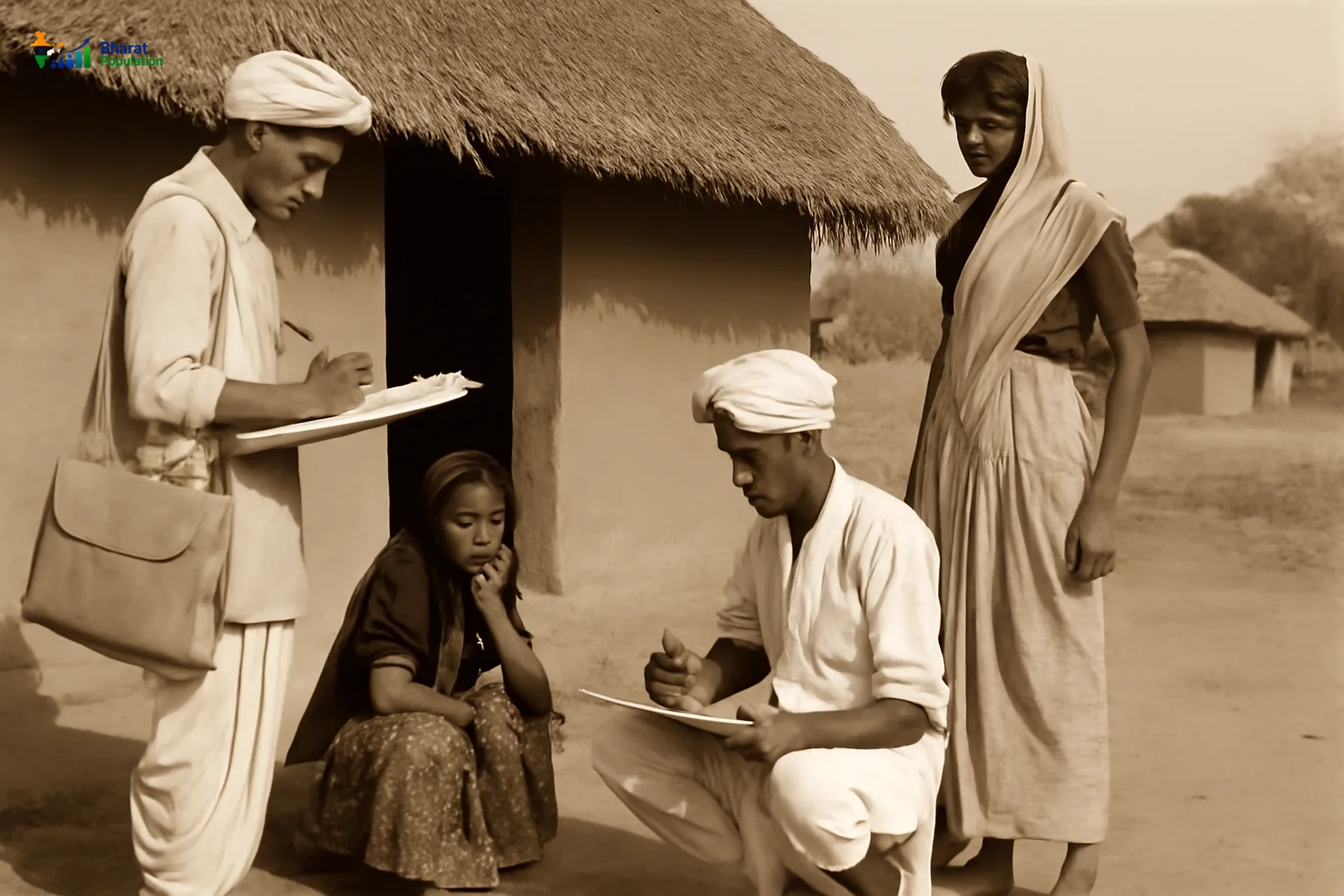
One of the hallmark features of the 1961 Census was the incorporation of ethnographic surveys. These surveys delved into various aspects of rural life—including crafts, fairs, festivals, and community structures. Such detailed inquiries facilitated a deeper understanding of India’s diverse population, capturing cultural practices and lifestyles that had long been overlooked in earlier censuses.
This shift towards ethnographic studies allowed researchers and policymakers to gain insights that were not only quantitative but also qualitative, enriching the demographic landscape with narratives of everyday life. The significance of these findings cannot be overstated, as they helped document a complex tapestry of traditions, customs, and community dynamics across the nation.
Technological Advancements in Data Processing
The 1961 Census also heralded a mechanical revolution in data processing. For the first time, mechanical tabulation equipment—including key punches, verifiers, sorters, and tabulators—was employed. This marked a crucial step toward automated processing of census records, setting a precedent for future census operations.
This technological upgrade not only expedited data handling but also increased accuracy, allowing for more reliable sorting and analysis of extensive datasets. The impact of these advancements is still felt in contemporary census practices, influencing how demographic data is collected and processed today.
Significance of 1961 Census Data
The dual focus on quantitative and qualitative data transformed the 1961 Census into a rich cultural repository. The collected data has since been utilized by various stakeholders, such as researchers, policy-makers, and educators, to drive initiatives aimed at understanding and preserving India’s cultural heritage.
| Feature | Description |
|---|---|
| Ethnographic Surveys | Surveying various facets of rural life, including crafts and festivals. |
| Mechanical Processing | Introduction of mechanical tabulation equipment for data handling. |
| Cultural Insights | Development of sociological information about communities. |
Conclusion
The 1961 Census was more than just a count of people; it was a pivotal moment that transformed how the social fabric of India was understood. By blending statistical information with cultural insights, it helped pave the way for a richer understanding of the nation’s diverse communities. The legacy of these efforts continues to resonate today, reminding us of the importance of recognizing the cultural dimension in demography.
Frequently Asked Questions (FAQs)
1. What was the primary purpose of the 1961 Census?
The main goal was to gather comprehensive demographic data, expanding to include various cultural aspects of Indian society.
2. How did the 1961 Census differ from previous censuses?
It included ethnographic studies, offering insights into the cultural practices of communities, whereas earlier censuses focused mainly on population counts.
3. What technological advancements were introduced in the 1961 Census?
Mechanical tabulation equipment was introduced, marking a significant improvement in data processing efficiency.
4. Why are ethnographic studies important in the context of the Census?
They provide qualitative data that enriches our understanding of cultural practices and societal structures, essential for planning and policy making.
5. What legacy did the 1961 Census leave for future censuses?
It established a model for integrating cultural and sociological data into census processes, influencing subsequent enumerations.