How Census 2027 Protects Personal Information
Understanding the Importance of Privacy in Census 2027
Census activities are vital for informed decision-making and public policy development, yet they must prioritize personal privacy. With Census 2027, India aims to significantly enhance the security of personal information collected during the enumeration process.
Phased Approach to Data Collection
Census 2027 will be conducted in two phases:
- Houselisting and Housing Census (HLO): This initial phase collects details regarding housing conditions, amenities, and household assets.
- Population Enumeration (PE): Scheduled for February 2027, this phase gathers demographic and socio-economic data of individuals.
Confidentiality of Collected Data
According to the Census Act of 1948, all information collected during the census is strictly confidential. This legal framework ensures that personal data cannot be disclosed or misused, reinforcing trust in the census process.
The Role of Technology in Data Security
Census 2027 will leverage advanced digital tools, marking a historic transition to a digital-first approach. Here are some key security measures implemented:
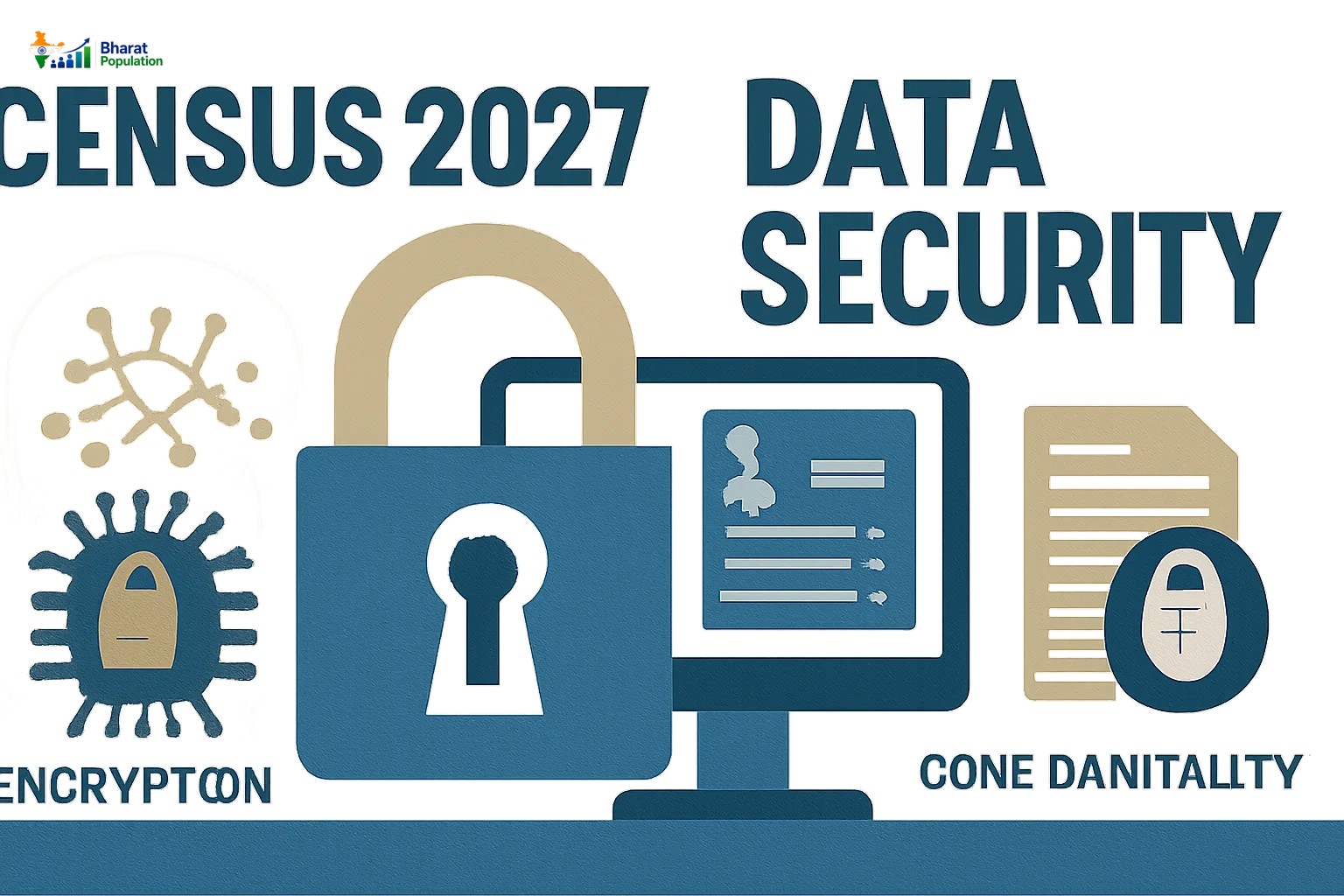
- Encryption: Data collected through mobile applications will be encrypted to protect it from unauthorized access.
- Multi-Factor Authentication: The integration of multi-factor authentication processes will ensure that only authorized personnel can access sensitive census data.
- Secure Mobile Applications: Enumerators will utilize a secure offline mobile application for data collection, minimizing risks associated with direct internet access.
Self-Enumeration and Its Privacy Benefits
A novel feature in Census 2027 is the optional Self-Enumeration method. This digital facility allows households the convenience of providing their information online. By doing so, they can have greater control over what data is shared, enhancing the privacy of their personal information.
Public Awareness and Trust
To build public trust, the Census authority will engage in extensive outreach to educate citizens about their rights and the measures in place to protect their data. Ensuring that respondents feel comfortable providing accurate information is crucial for obtaining reliable data.
What Happens if You Don’t Participate?
Even if a household opts not to use the Self-Enumeration method, they will still be visited by an Enumerator to collect data. This ensures comprehensive coverage while maintaining the same confidentiality protocols.
Conclusion
Census 2027 is designed not only to gather crucial demographic information but also to secure that information. Through a combination of legal protections, advanced technology, and public education, the process aims to safeguard personal data while fulfilling the essential need for census data. Citizens can rest assured that their personal information will remain confidential and secure throughout this process.
FAQs
1. What is the primary purpose of Census 2027?
The purpose of Census 2027 is to collect data essential for government planning and resource allocation, ensuring developmental policies are effectively designed.
2. How is personal information protected?
Personal information collected during the census is protected under the Census Act, which mandates confidentiality and security measures like encryption.
3. Can I opt out of the census?
Participation in the census is mandatory as it aids in accurate data collection, but there are options like Self-Enumeration that allow respondents to provide information directly.
4. Will data be shared with third parties?
No, the data collected is strictly confidential and is used only for statistical purposes as per legal guidelines.
5. What if I have concerns about data security?
Citizens are encouraged to reach out to census authorities for more information regarding data protection and security measures in place.
6. How can I access my data once submitted?
Once your data is submitted, it is stored securely and cannot be accessed by individuals or agencies outside of authorized census processing frameworks.