How Census Data Helps Plan Schools, Hospitals and Public Services
The Importance of Census Data
The census is a systematic process of collecting, analyzing, and interpreting demographic data. It provides crucial information about various population segments, such as age, gender, and socio-economic status. This data is vital for governments and agencies in planning schools, hospitals, and public services effectively.
Impact on School Planning
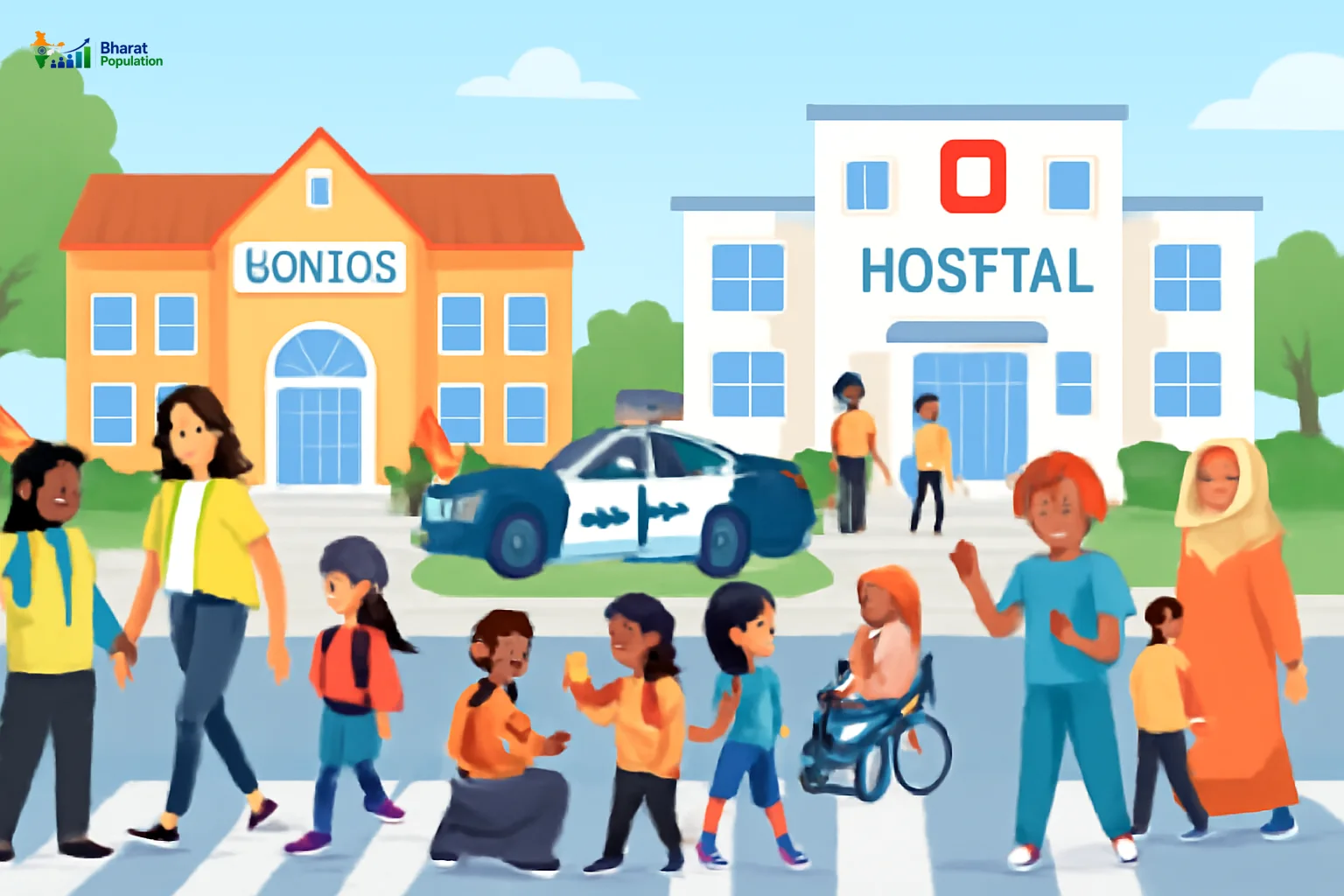
Understanding where populations are concentrated helps in strategizing the development of educational institutions. For instance, if census data indicates a high number of young children in a particular area, local authorities can prioritize the construction of new schools or expanding existing facilities to cater to this demographic.
Additionally, census data can reveal trends, such as the increase in student populations in urban areas. This information can guide decisions about resource allocation, ensuring that schools have enough teachers, classrooms, and learning materials to support a growing number of students.
Enhancing Healthcare Services
Healthcare planning also depends heavily on census data. By analyzing the demographic information on age and health conditions, local health authorities can identify areas that require more hospitals or clinics. For example, if a census reveals a surge in the elderly population in a specific district, it may prompt the establishment of more geriatric care facilities and specialized clinics to meet their needs.
Census data can also inform public health initiatives. Understanding the prevalent health issues within a community allows for targeted health campaigns, ensuring that resources are directed where they are most needed.
Guiding Public Services Allocation
Public services such as transportation, sanitation, and emergency response systems also benefit from census insights. By analyzing population density and distributions, planners can determine the most efficient locations for service points. For example:
- Transportation: Areas with higher populations may require more bus routes or stations.
- Sanitation: Increased populations in certain districts necessitate more waste management facilities.
- Emergency Services: Understanding where residents live enables quicker response times during emergencies.
Collaborative Planning Efforts
It is essential for multiple stakeholders, including government agencies, educational authorities, and healthcare providers, to collaborate using census data. Bringing together different sectors helps create comprehensive community plans that address the multifaceted needs of a population.
Furthermore, sharing and interpreting census findings fosters community involvement. When residents understand the data, it opens opportunities for public discussions on needs and priorities, ultimately aiding in better decision-making.
Conclusion
Census data is a powerful tool in the planning and development of crucial public services like schools and hospitals. By leveraging this information, authorities can meet community needs more effectively, ensuring that resources are allocated where they are most needed. As communities evolve and grow, continuous analysis and utilization of census data will remain pivotal in shaping a better future.
Frequently Asked Questions (FAQs)
1. What is the census?
The census is a periodic process of collecting detailed demographic information about a population to aid in planning and resource distribution.
2. How often is the census conducted in India?
Census is usually conducted every ten years in India, though changes in circumstances may lead to adjustments in scheduling.
3. Who uses census data?
Census data is utilized by government agencies, educational institutions, healthcare providers, as well as non-governmental organizations for planning and resource allocation.
4. Can the public access census data?
Yes, census data is typically made available to the public, which allows individuals and organizations to analyze and utilize the information for various purposes.
5. Why is accurate census data important?
Accurate census data is essential for ensuring that community needs are correctly identified and that resources are allocated efficiently to serve those needs.