What Is a Census? Meaning, Purpose and Importance
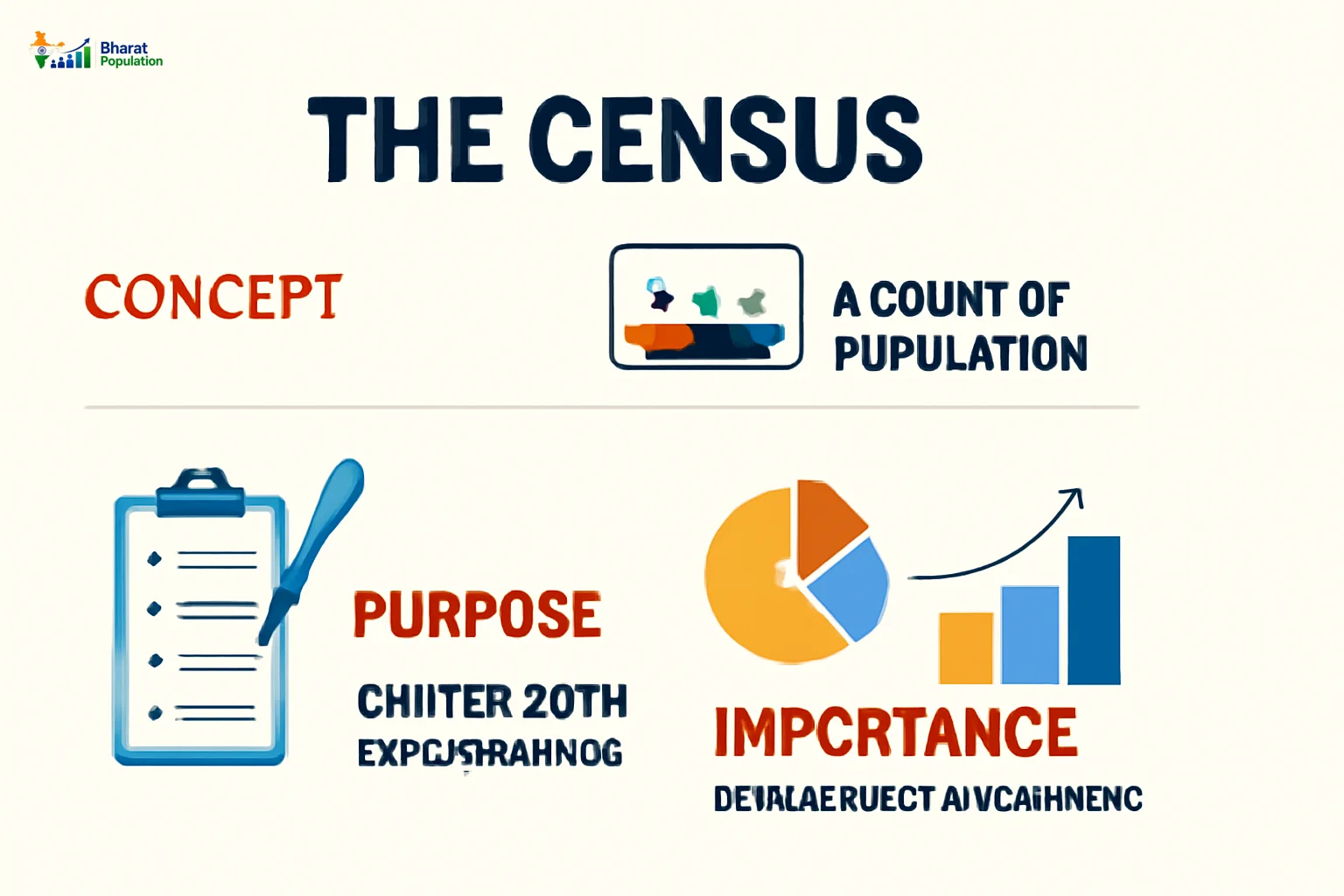
Understanding the Concept of a Census
A census is a systematic process of collecting, recording, and analyzing data related to the population of a specific area. This data includes information about the number of people living in that area, their age, gender, occupation, and other demographic details. This procedure occurs at regular intervals and is fundamental for planning and implementing services.
Purpose of a Census
The primary purpose of a census is to gather accurate data that can help inform public policy and resource allocation. Here are some key purposes:
- Resource Allocation: Governments use census data to allocate funding and resources for various sectors like education, healthcare, and infrastructure.
- Policy Making: Accurate population data aids in the formulation of policies that address the needs of the population.
- Planning and Development: Cities, states, and national governments plan projects based on population trends and needs.
- Academic Research: Researchers analyze census data for studies in sociology, economics, and public health.
Importance of a Census
The importance of a census extends beyond mere numbers. It plays a significant role in shaping the society we live in. Here’s why it matters:
- Community Representation: Census data helps ensure fair representation in government by determining electoral districts based on population.
- Economic Planning: Businesses utilize census information to make decisions regarding investments and resource management.
- Social Programs: Accurate demographic information enables governments to create effective social welfare programs tailored to community needs.
- Historical Records: Besides immediate applications, censuses create a historical record that future generations can study.
How is a Census Conducted?
The process of conducting a census generally includes several phases:
- Preparation: This involves defining the scope and objectives of the census, planning logistics, and designing data collection tools.
- Data Collection: Enumerators gather information through tools like surveys, questionnaires, and interviews.
- Data Processing: The collected information is then processed and analyzed to convert raw data into useful statistics.
- Dissemination: Finally, the results are shared with the public, government agencies, researchers, and other stakeholders.
Practical Example of a Census Operation
Imagine a small town where officials want to improve local services. They conduct a census to collect information about the population’s age distribution, employment status, and educational background. By analyzing the data, they discover a significant portion of the population is elderly, which leads to the implementation of senior care services.
Challenges in Census Execution
While conducting a census is crucial, it also comes with challenges:
- Accuracy: Sometimes people do not respond accurately, leading to data inconsistencies.
- Reach: Isolating remote areas can be difficult, which may neglect specific demographics.
- Privacy Concerns: Individuals might hesitate to share personal information due to privacy fears.
Frequently Asked Questions
1. How often is a census conducted?
Census frequency varies by country. In India, it is conducted every ten years.
2. What happens with census data?
The collected data is used for government planning, allocation of resources, and academic research.
3. Who conducts the census in India?
The Office of the Registrar General and Census Commissioner of India is responsible for conducting the census.
4. Can individuals access census data?
Yes, census data is made available to the public for research and policy-making purposes after processing.
5. How can I participate in the census?
Participation details are usually released through official notifications. Keep an eye on local announcements to learn how to participate during the census.
Conclusion
A census serves as an essential tool for understanding and improving communities. By providing valuable demographic insights, it enables effective governance and resource distribution. For in-depth information, visit sections on Census, India, States, and Districts on BharatPopulation.com.