How Census 2027 HLO Records Kitchen, Cooking Fuel and Dwelling Facilities
Introduction
The Census 2027 is poised to be a groundbreaking initiative, utilizing digital methods to ensure comprehensive data gathering. This census will include essential questions regarding household amenities, specifically focusing on kitchen facilities, cooking fuels, and dwelling conditions. Through these queries, the Census aims to gather crucial insights into living standards across India.
Overview of HLO Questions
As part of the Houselisting and Housing Census (HLO), the Census 2027 will feature specific questions aimed at understanding the available amenities in households. Questions 17 to 25 in the HLO schedule are particularly relevant for gathering data about:
- Main source and availability of drinking water
- Main source of lighting
- Access to and type of latrine facilities
- Waste-water outlet
- Bathing facilities
- Availability of a kitchen
- Types of fuel used for cooking
Kitchen Facilities and Fuel Types
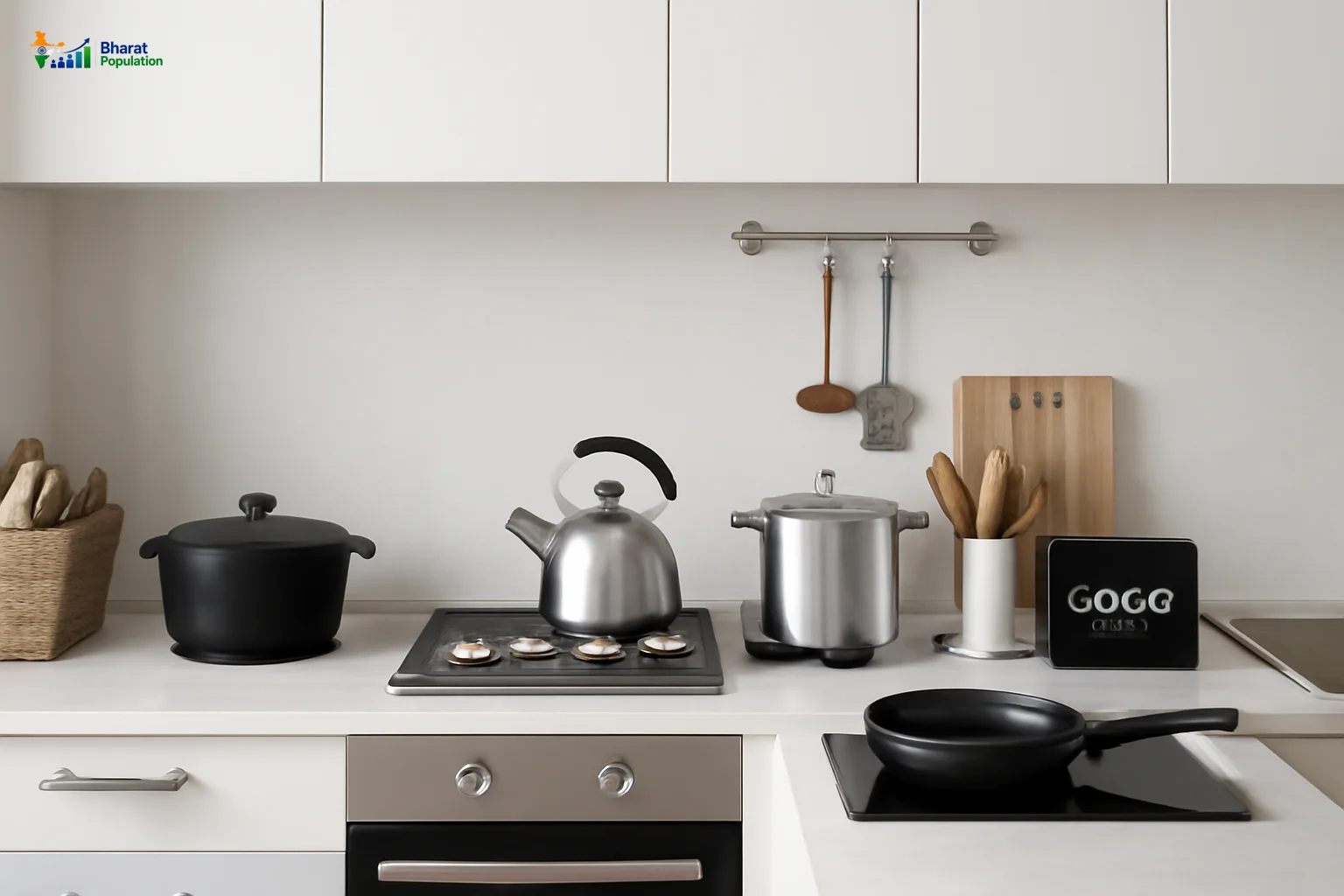
The availability of a proper kitchen is a significant indicator of living standards. For Census 2027, respondents will indicate whether they have a dedicated kitchen space and specify the primary cooking fuel. The categories of cooking fuels include:
- Liquefied Petroleum Gas (LPG)
- Piped Natural Gas (PNG)
- Solid fuels (wood, coal, and biomass)
- Electricity
- Others (e.g., kerosene)
This information is vital for assessing energy usage patterns in urban and rural settings, allowing for targeted policy planning in energy transition and public health initiatives.
Importance of Dwelling Conditions
In addition to kitchen facilities, the HLO will record the overall conditions of the dwelling, such as the number of rooms exclusively possessed by the household and the housing material used for construction. This data serves multiple purposes:
- Assessing housing quality
- Guiding government programs focused on sanitation and safety
- Helping in the planning of infrastructure development
Understanding dwelling conditions allows policymakers to create targeted interventions based on the specific needs of households across different regions.
Conclusion
The HLO phase of Census 2027 represents a significant step in modernizing demographic data collection in India. By focusing on kitchen facilities, cooking fuels, and dwelling conditions, this census will provide invaluable insights that can inform policy and improve the quality of life for millions of residents.
FAQs
1. What is the HLO phase in Census 2027?
The HLO (Houselisting and Housing Census) phase collects essential information about housing conditions and household amenities before the Population Enumeration phase.
2. When will Census 2027 take place?
The HLO is scheduled from April to September 2026, with the Population Enumeration following in February 2027.
3. How will the data from Census 2027 be collected?
The data will be collected digitally using a mobile application and will include secure methods of encryption to protect personal information.
4. Why is understanding cooking fuel important?
Insights into cooking fuel usage help in formulating energy policies and assessing health impacts related to indoor air quality.
5. How does the Census ensure data privacy?
The Census employs several measures including secure transfer protocols and restricted access to ensure that personal data remains confidential.
Key Statistics
| Aspect | Details |
|---|---|
| Reference Date | 00:00 hours on March 1, 2027 |
| HLO Schedule Duration | April to September 2026 |
| Primary Fuel Types Recorded | LPG, PNG, solid fuels, electricity |